
Arabic Dialects in Smart Voice Technologies: Challenges and Solutions
Dr. Nour Al-Lughawi
Computational Linguistics Expert
The Richness of Arabic and Its Challenges
Arabic is not one language, but a collection of diverse dialects spoken by over 420 million people across 22 countries. From the Atlantic to the Gulf, each region has its linguistic specificity reflecting its history and culture. This diversity, despite its beauty, poses a major challenge for text-to-speech technologies.
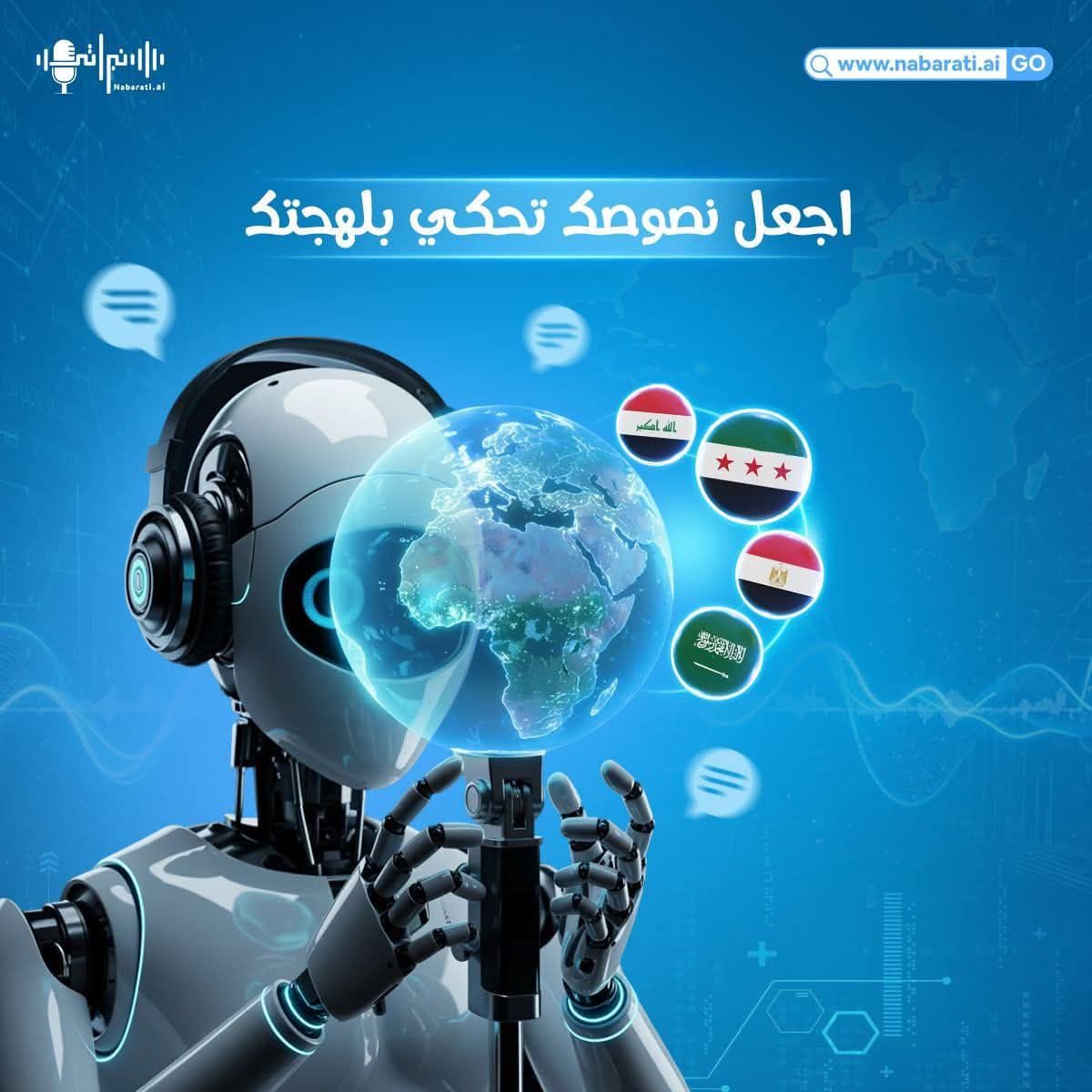
Map of Major Arabic Dialects
1. Egyptian Dialect:
- Speakers: 100+ million (most widespread)
- Characteristics: Qaf to hamza, soft Jeem
- Sub-regions: Cairene, Upper Egyptian, Alexandrian
- Media Influence: Understood in most Arab countries
2. Gulf Dialect:
- Speakers: 50+ million
- Characteristics: Soft Kaf, final kasra
- Internal Diversity: Saudi (Najdi, Hijazi), Emirati, Kuwaiti
- Distinctive Vocabulary: "Wayed" (much), "Shlon" (how)
3. Levantine Dialect:
- Speakers: 40+ million
- Characteristics: Qaf to hamza, imala
- Regions: Syria, Lebanon, Palestine, Jordan
- Diversity: Urban Levantine (Damascene, Beiruti) and rural
4. Maghrebi Dialect (Darija):
- Speakers: 90+ million
- Biggest Challenge: Strong Amazigh and French influences
- Regions: Morocco, Algeria, Tunisia, Libya
- Differences: Hardest to understand for non-natives
Technical Challenges
1. Pronunciation Challenge:
Same word pronounced differently:
- "Qalb" → Egyptian: "alb", Gulf: "qalib", Levantine: "alib"
- "How" → Egyptian: "izzay", Gulf: "shlon/kayf", Levantine: "kayf"
- "Much" → Egyptian: "kteer", Gulf: "wayed", Maghrebi: "bzzaf"
2. Vocabulary Challenge:
Completely different words for same meaning:
- "Now" → Egyptian: "delwa'ti", Gulf: "alhin", Levantine: "halla'"
- "What" → Egyptian: "eh", Gulf: "weysh", Levantine: "shu"
- "Good" → Egyptian: "helw", Gulf: "zayn", Maghrebi: "mzyan"
3. Diacritics and Context Challenge:
- Absence of diacritics in colloquial texts
- Same word different meanings by context
- Using numbers for letters (3 for ain, 7 for ha)
Nabarati Platform Solutions
1. Custom Dialect Models:
Instead of one Arabic model, we use:
- Egyptian model trained on 10,000+ hours of Egyptian speech
- Gulf model with variations (Saudi, Emirati, Kuwaiti)
- Levantine model (Syrian, Lebanese)
- Maghrebi model (under development)
2. Language Context Understanding:
- Analyze full sentence before pronunciation
- Automatically recognize local vocabulary
- Determine dialect from input text
3. Multi-Dialect Dictionary:
- Over 50,000 indexed colloquial words
- Accurate phonetic pronunciation for each dialect
- Continuous updates adding new vocabulary
Best Practices for Users
For better results, follow these tips:
- Clearly Choose Dialect: Specify dialect before starting
- Stick to One Dialect: Don't mix dialects in one text
- Use Correct Spelling: Write properly in chosen dialect
- Add Punctuation: Helps determine intonation
- Avoid Numbers for Letters: Write full words
Advanced Use Cases
- Ads in local dialect for each market
- Increase engagement rate by 40-60%
- Build greater trust with local audience
- Educational content in students' dialect
- Improve understanding and comprehension
- Local educational applications
- Voice assistants in customers' dialect
- Improve user experience
- Reduce misunderstandings
The Future
- More Sub-dialects: Upper Egyptian, Najdi, Aleppine, Fassi
- Dialect Translation: Automatic translation between dialects
- Dialectal Sentiment Analysis: Understanding emotions by dialect
- More Local Voices: 100+ voices for each dialect